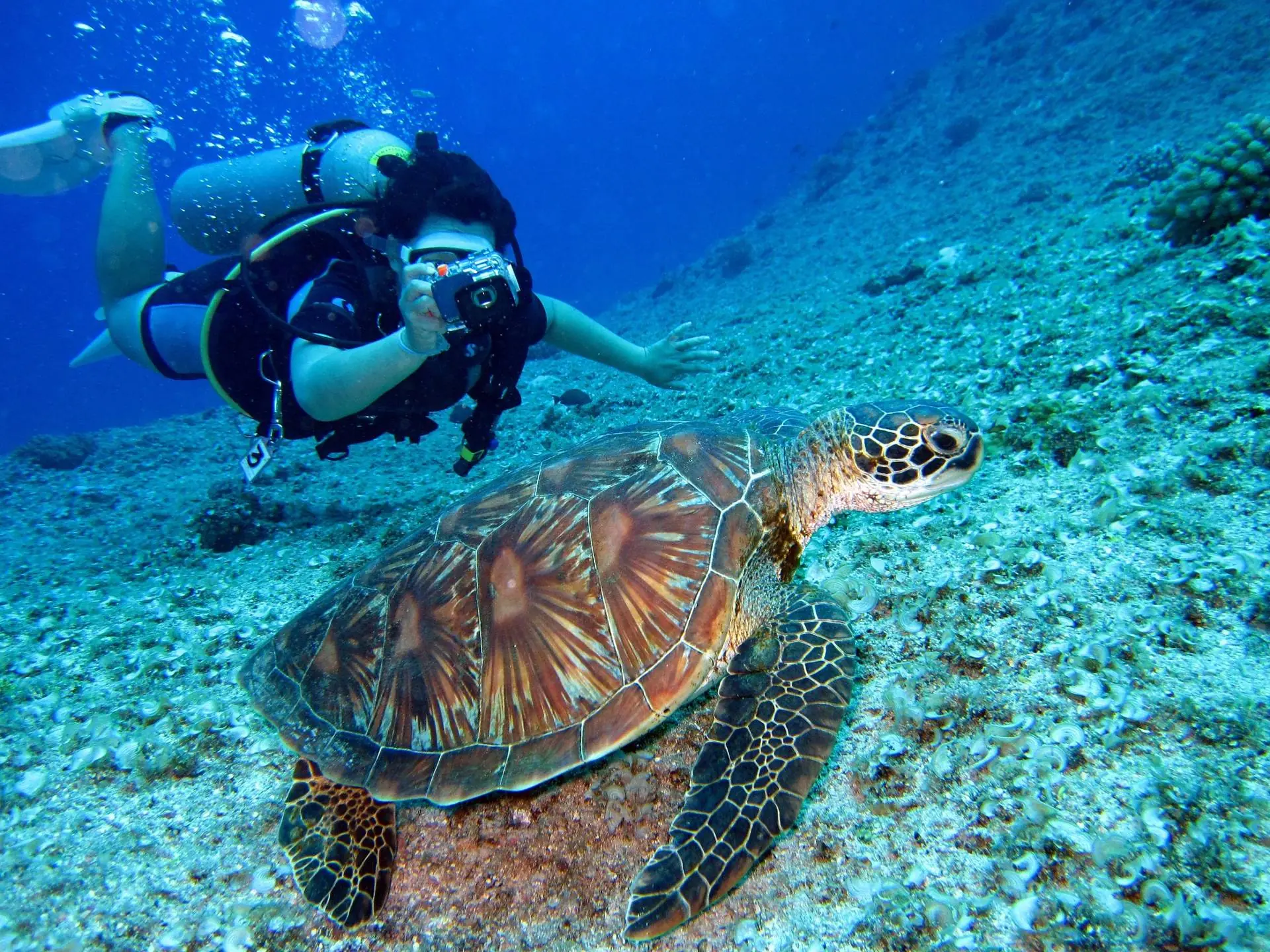
Travelling to the Great Barrier Reef?
Get your dive medical certificate before you go.
Most Queensland dive schools and liveaboards ask for one to Australian Standard AS4005.1, and many won’t accept a medical done overseas.
Starting your Open Water course?
Many dive schools ask for a medical before you start. Book in before your first pool session, and bring your school’s forms if they’ve given you any.
Dive medicals, right here in Bondi
Recreational dive medicals with Dr Harry at Bondi Road Medical Centre, for new and experienced divers.
- Done by Dr Harry himself
- Dive school forms on hand
- Meets Australian Standard AS4005.1
- Walk-ins welcome
- 248 Bondi Road, Bondi
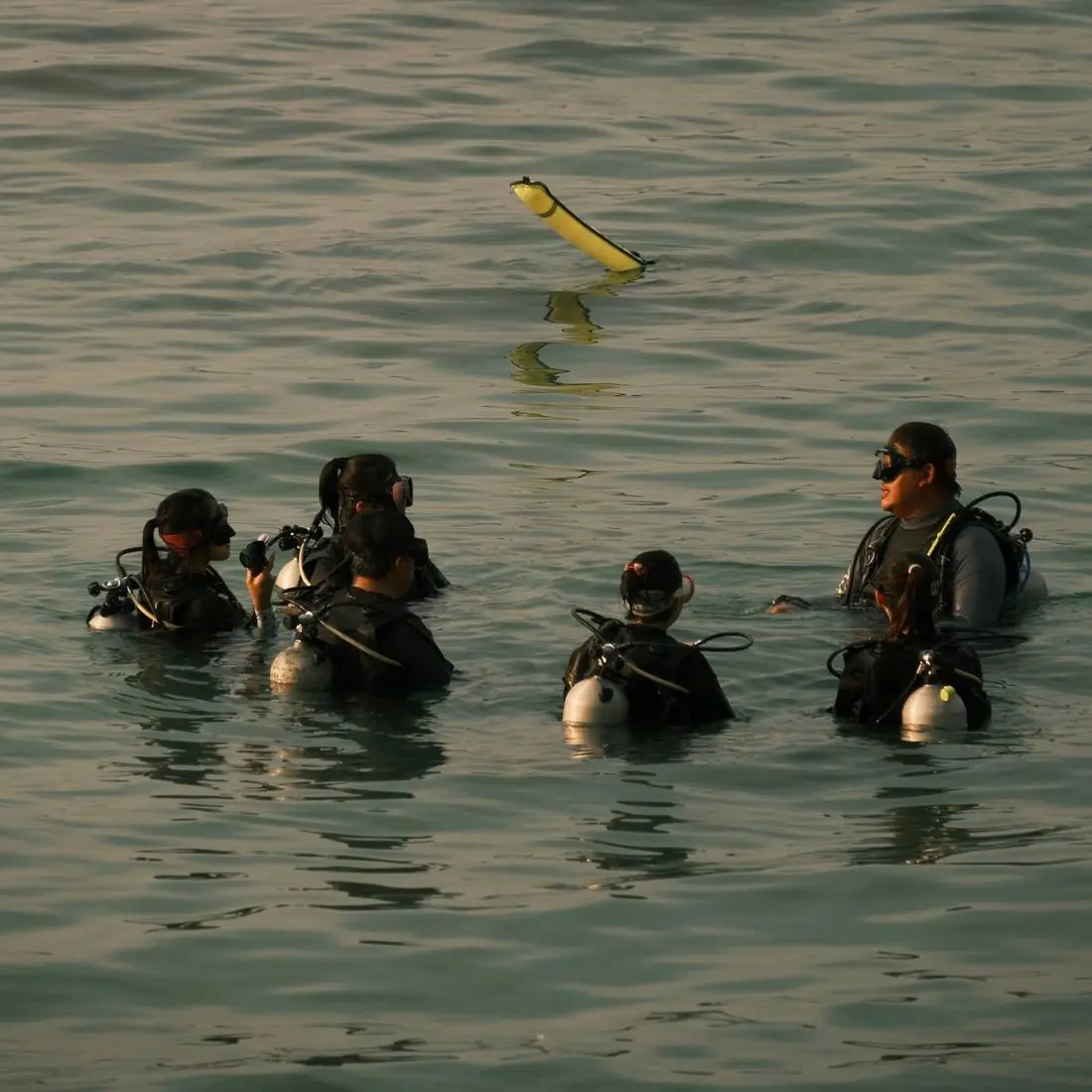
Who needs a dive medical?
Our dive medicals meet Australian Standard AS4005.1 for recreational diving. Your dive school or operator decides whether you need one, but as a guide:
You’ll usually need one if you’re…
- diving or doing a course on the Great Barrier Reef, as most Queensland dive schools and liveaboards ask for one
- learning to dive and your school asks for a medical, or you answer yes to anything on its health questionnaire
- living with a medical condition such as asthma, diabetes, a heart condition or ear problems, or taking regular medication
- getting back into diving after a long break, surgery, a serious illness or pregnancy
You usually won’t need one if you’re…
- a certified diver in good health on a fun dive, and you answer no to everything on the operator’s health form
- trying an intro or Discover Scuba dive, and you answer no to everything on the health questionnaire
- snorkelling
Not sure? Call 02 9389 8000 and we’ll help you work it out. Please call for fees too.
We do recreational dive medicals only. Commercial and occupational divers will need a doctor who does commercial dive medicals.
Diving the Great Barrier Reef? Get your medical in Bondi first.
Queensland dive schools and liveaboards generally want a medical to Australian Standard AS4005.1, and many won’t accept one done overseas. Sorting it out in Sydney means you won’t lose a dive day in Cairns or the Whitsundays.
Book before you fly
Come in a few days before you head north, so you have your signed form in hand when you check in for your course or trip.
Visitors welcome
No Medicare card needed. Pay on the day by cash, EFTPOS or card, including Apple Pay.
Bring your dive school’s form
If your school or liveaboard has sent you a medical form, bring it and Dr Harry will complete that one. If not, we have the standard form here.
What to expect
Most people are in and out in one visit.
Book or walk in
Book online, call 02 9389 8000, or simply walk in during opening hours. Booking ahead gets you a set time; walk-in waits can vary.
Bring
Your dive school’s forms if you have them, a list of any medications you take, and your Medicare card if you have one.
Get checked
Dr Harry goes through your health history and the dive medical form, then examines what pressure affects most: your ears and eardrums, nose and sinuses, heart and blood pressure, and lungs. A simple breathing test may be done to check your lung function.
Get your paperwork
If you’re fit to dive, you leave with your paperwork signed. If something needs a closer look, he’ll explain the next step.
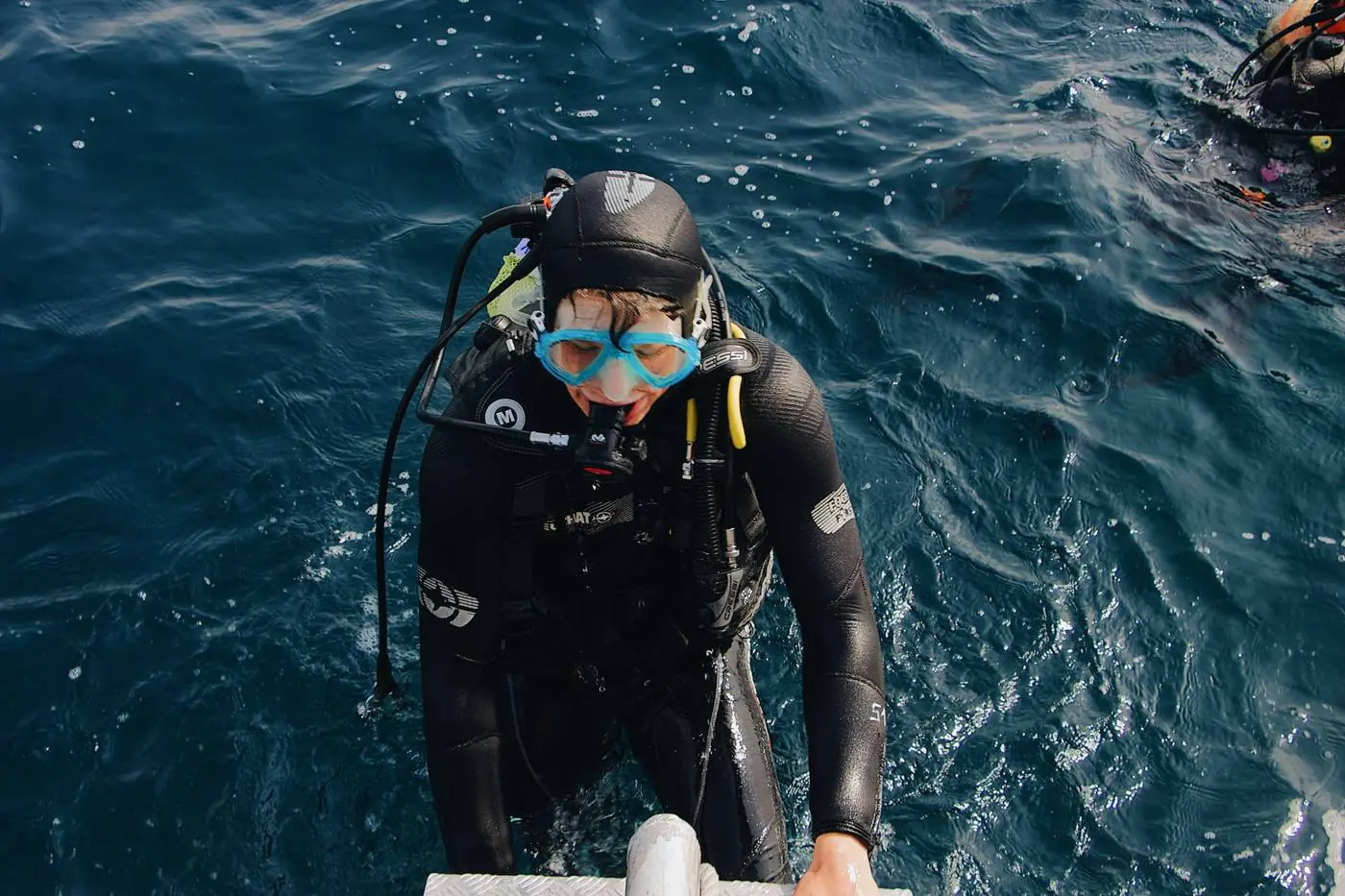
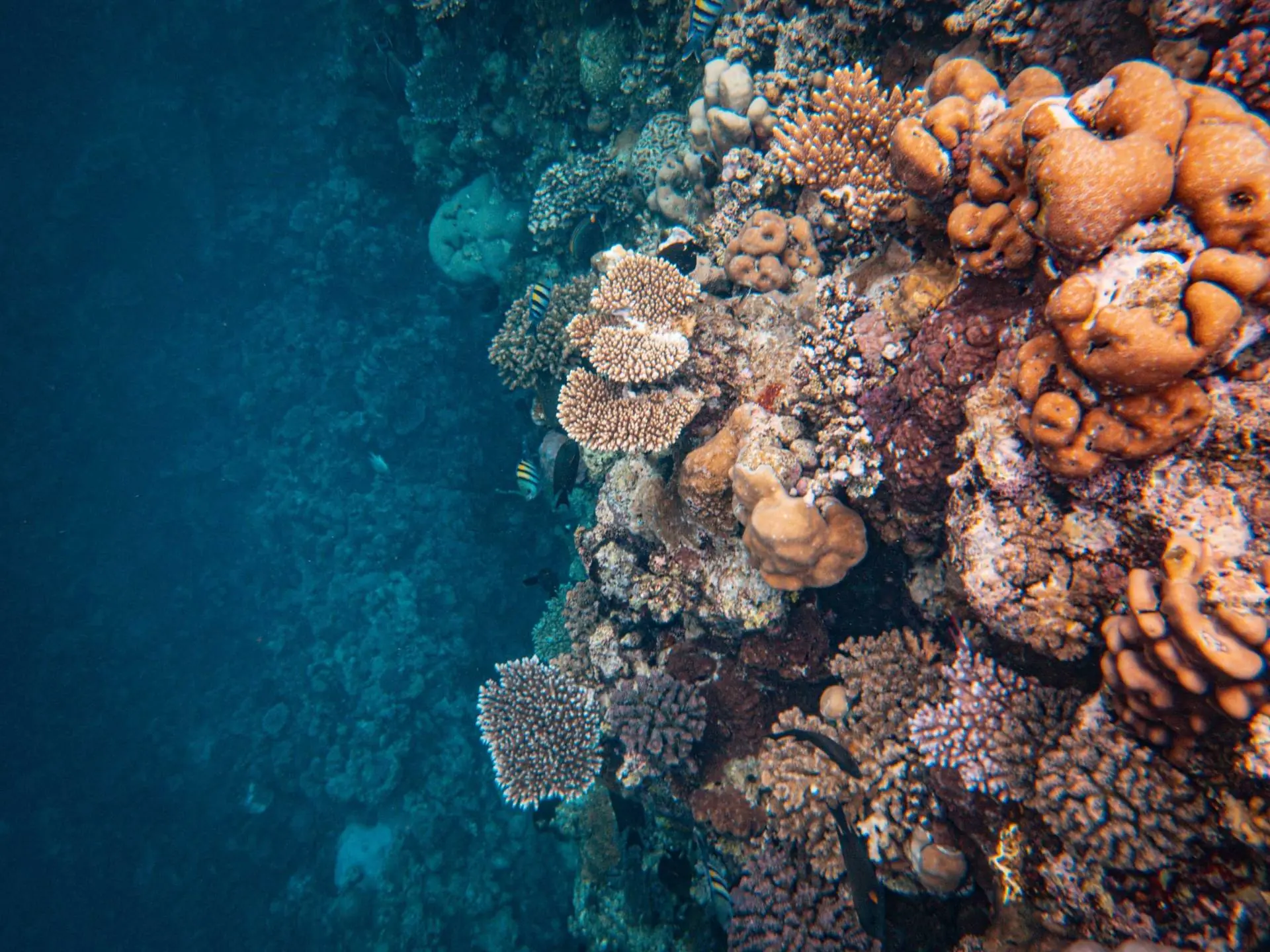
Why a medical matters, even for experienced divers
Decompression illness, often called the bends, happens when gas bubbles form in the body as you ascend. Depending on where they form, the effects range from a rash or a sore joint to something far more serious.
It can happen to anyone on any dive, including divers with thousands of logged dives. You can lower the risk, but you can’t remove it.
A medical picks up the conditions that make pressure changes more dangerous for you, so you find out in the clinic and not at 18 metres.
Tell us when you book if you have any of these
Some conditions can rule out diving, and others need extra tests or a specialist opinion. Mentioning them up front means no surprises on the day.
Anything that can cause a blackout
- Epilepsy or seizures
- Diabetes treated with insulin
Ear and sinus problems
- Trouble equalising your ears
- Previous middle-ear surgery, including implants replacing the ear bones
Lung conditions
- Asthma
- A previous collapsed lung (pneumothorax)
- Lung cysts or obstructive lung disease
- Previous chest or lung surgery
Heart, fitness and pregnancy
- A previous heart attack
- Low general fitness
- Pregnancy
This list is a guide, not a diagnosis. Dr Harry will talk through your situation at the medical.
Common questions
Who needs a dive medical?
Anyone diving or doing a course on the Great Barrier Reef should expect to need one, as most Queensland dive schools and liveaboards ask for a medical to AS4005.1.
You’ll also need one if your dive school asks for it, if you answer yes to anything on a dive health questionnaire, or if you have a medical condition such as asthma, diabetes, a heart condition or ear problems. It’s also wise after a long break from diving, surgery, a serious illness or pregnancy.
Who doesn’t need one?
Healthy certified divers on a fun dive usually just fill in a health form with the operator on the day. If you answer no to every question, you usually won’t need a medical. Snorkellers don’t need one.
Every dive school and operator sets its own rules, so check with yours before you travel. If you’re unsure, call us on 02 9389 8000.
Do I need an appointment, or can I walk in?
Walk-ins are welcome during opening hours. Booking online or calling ahead gets you a set time, while walk-in waiting times can vary on busy days.
Do I need a medical to learn to dive?
Most dive schools ask every student to fill in a medical questionnaire before the course. If you answer yes to any of the questions, you’ll need a doctor to clear you before you can get in the water. Some schools ask for a full medical from everyone, so check with yours.
I’m visiting from overseas. Can I get my medical here?
Yes. Anyone can book, and you don’t need a Medicare card. Many travellers get their medical in Bondi before heading north, because Queensland dive schools usually ask for one to the Australian standard and may not accept a medical done overseas.
How long does the medical take?
It’s done in a single appointment, usually around 30 minutes.
Do I need to bring my own forms?
No. We keep the common dive medical forms at the practice. If your dive school or employer has given you their own form, bring it along and Dr Harry will complete that one.
How much does it cost? Is it covered by Medicare?
There’s a fee for the dive medical as well as a consultation fee. Please call us on 02 9389 8000 for current fees. The dive medical itself isn’t covered by Medicare. We accept cash, EFTPOS and most major cards, including Apple Pay.
How long is a dive medical valid for?
It depends on who’s asking for it. Many dive schools and operators accept a medical for around 12 months. Your dive school or operator will tell you what they need. For keen divers, a common guide is a check-up every 5 years under 30, every 3 years from 30 to 50, and every year over 50.
What happens if I’m not cleared to dive?
Dr Harry will explain why and what comes next. Sometimes that’s a test or a specialist opinion, and sometimes it’s waiting until a condition has settled. Not being cleared on the day doesn’t always mean you can never dive.
I’ve got a cold. Should I still come in?
Call us first. A blocked nose or sinuses can make it hard to check your ears properly, so it’s often better to reschedule. It’s also a good rule for diving itself: if you can’t equalise easily, don’t dive.
Find us on Bondi Road
Halfway between Bondi Junction and the beach, opposite the BP on the corner of Henderson Street.
Address and transport
Bondi Road Medical Centre
248 Bondi Road, Bondi NSW 2026
Opposite the BP service station, on the corner of Henderson Street.
From the beach, take the 333 or 380 and get off near the BP. From Bondi Junction or the city, take the 333, 380 or 381 and get off near Wellington Street.
Opening hours
| Monday to Thursday | 9am – 6pm |
|---|---|
| Friday | 9am – 1pm |
| Saturday | Closed |
| Sunday | 10am – 1pm |
| Public holidays | Closed, please call |
Walk-ins welcome during opening hours.
Contact
- Phone 02 9389 8000
- Fax 02 9389 0865
- Email bondiclinic@gmail.com
Ready to book your dive medical?
Book a dive medical Call 02 9389 8000 Walk-ins welcome during opening hours. Booking online? Mention “dive medical” so the right length of appointment is set aside.Dive medical guides
Answers to the questions divers ask us most.